I’ve been interviewing for the past couple of weeks, and I wanted to share some of the most interesting questions and answers I’ve given. I often take copious notes, or sometimes recount from memory, so these may not be verbatim, but you get the idea. Q’s in italics.
Q: Tell us about a time you worked directly with a client or stakeholder to define content requirements. How did you ensure their needs were met while maintaining design and production efficiency?
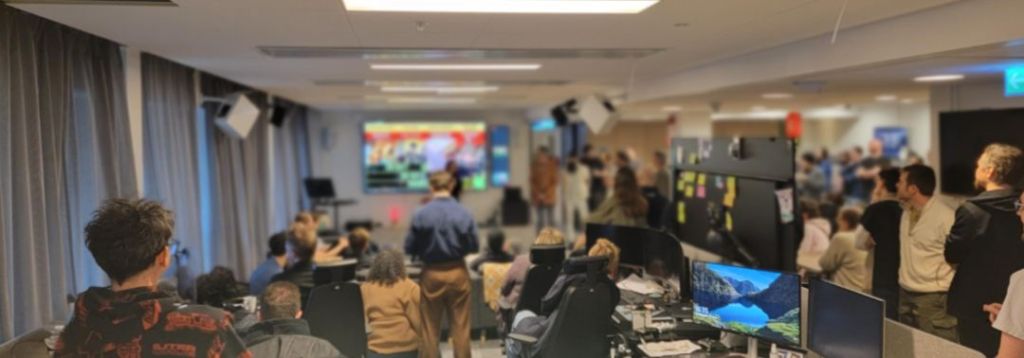
A: Throughout the entirety of my role as a Publishing Design Director, I collaborated with the external teams and their leaders to develop and define their content roadmaps, for each milestone. These milestones were reviewed on an ongoing basis, as well as at key milestone dates tied to payments. Typically, changes do happen, and if you’ve built the right kind of trust with the partner, you help them overcome staffing issues or adjust timelines for particular features that may be stubborn to complete on time. This also means you work with the team leadership to adjust scope. As features run long, or as the product takes shape, not everything that was originally needed is actually needed – so you help cut, prioritize, and shape the product as you go through development. It’s also crucially important to rapidly bring features to a level that can be evaluated, so that they can be iterated on and then completed before moving onto the next big feature.
Q: Describe a time you led a content creation team from concept to release. How did you define workflows, maintain quality, and ensure on-time delivery?
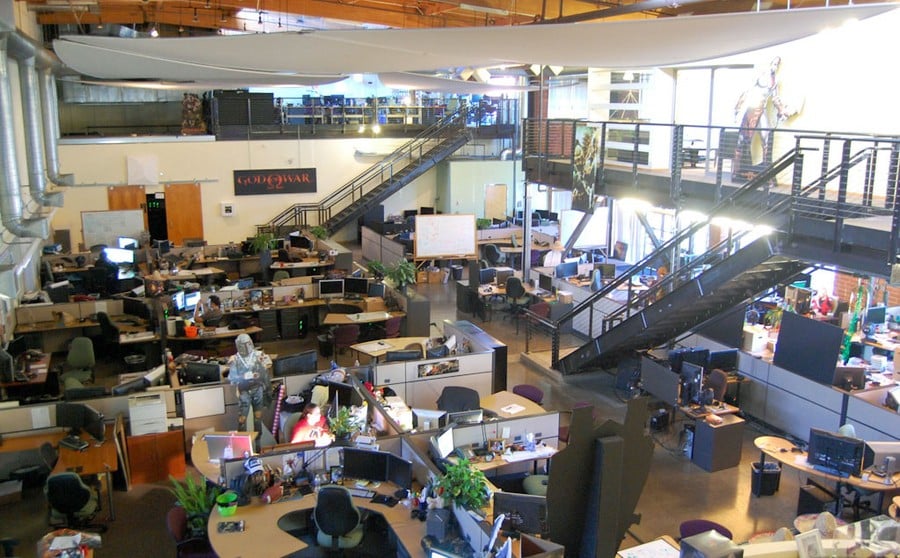
A: In my last role as a Design Director on a development team, I worked at SCEA – Santa Monica. This team had multiple specialties and functions within the Design group, we had Cameras, Level, Combat, Technical, Collision specialists, and Sound Designers. Workflows for each group were defined by the Lead for that group, a Producer, and the Director. Broadly, we had a list of features set for the game that we wanted to implement, the components of these features had estimates for completion, and to each individual contributor, these components were assigned (levels, bosses, enemies, mechanics, weapons, etc.). From there, the component estimates were refined, dependencies were identified, and a schedule was built. Sounds easy, but dependency delivery fluctuated from discipline to discipline, components often missed their target quality or times to implement, so the schedule and the feature list needed constant adjustment. This was a team effort.
Quarterly, the directors and producers visited the schedule, its dependencies and the quality level of the components delivered to that point. This was a scoping exercise that would take a few days. Additionally, at key milestones in the projects, all of the components needed to be at a specific quality bar (defined by the Directors). This allowed us to set a standard for a quality bar that must met, and each time I sat down with an individual contributor to evaluate and iterate on their work, our goal was to hit that quality bar in the timeline we had, together – essentially, what did we need to do as a team.
 Mark Simon
Leave a comment