SCEA Santa Monica Studios – September 2005 to September 2013 (8 years, 2 months)
I knew a few of the people working at the studio from my days at Midway. After that place imploded, one of my former designers, Todd Papy, and another former colleague, my good friend Stig Asmussen moved to sunny Santa Monica to work on God of War. They convinced me to apply for the open camera design role, and I eventually got the invite to the studio for the final interview. That day was unforgettable! There were creative tests, cultural tests, a few questions I probably butchered – “like what superpower would you choose if you could pick one?” (I think I said I’d want to be more Clark Kent than Superman FWIW). I knew I had progressed through the interviews and did well when, at some point, I looked up and it was late evening. Everyone was gone except for me and Phil Wilkins (the brainchild of the cameras). We were working out some export/import issues to and from the camera system and their editor as I was doing the “technical” part of the test. We never did get that figured out, but I did go home, and eventually I got the offer to work there. I was lucky to join such an amazing team – that studio simply oozed talent.
Visionaries like Allen Becker and Shannon Studstill rarely receive the recognition they deserve for leading a studio where creatives truly thrived. Santa Monica set a gold standard in studio leadership – its culture and management remain a benchmark I continue to measure all others against.
God of War 2 – Lead Camera Designer (2005 – 2007)
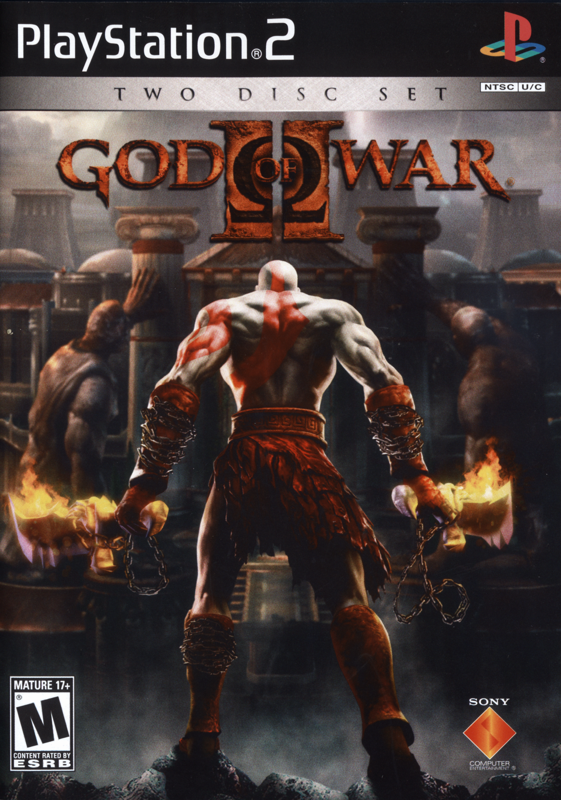
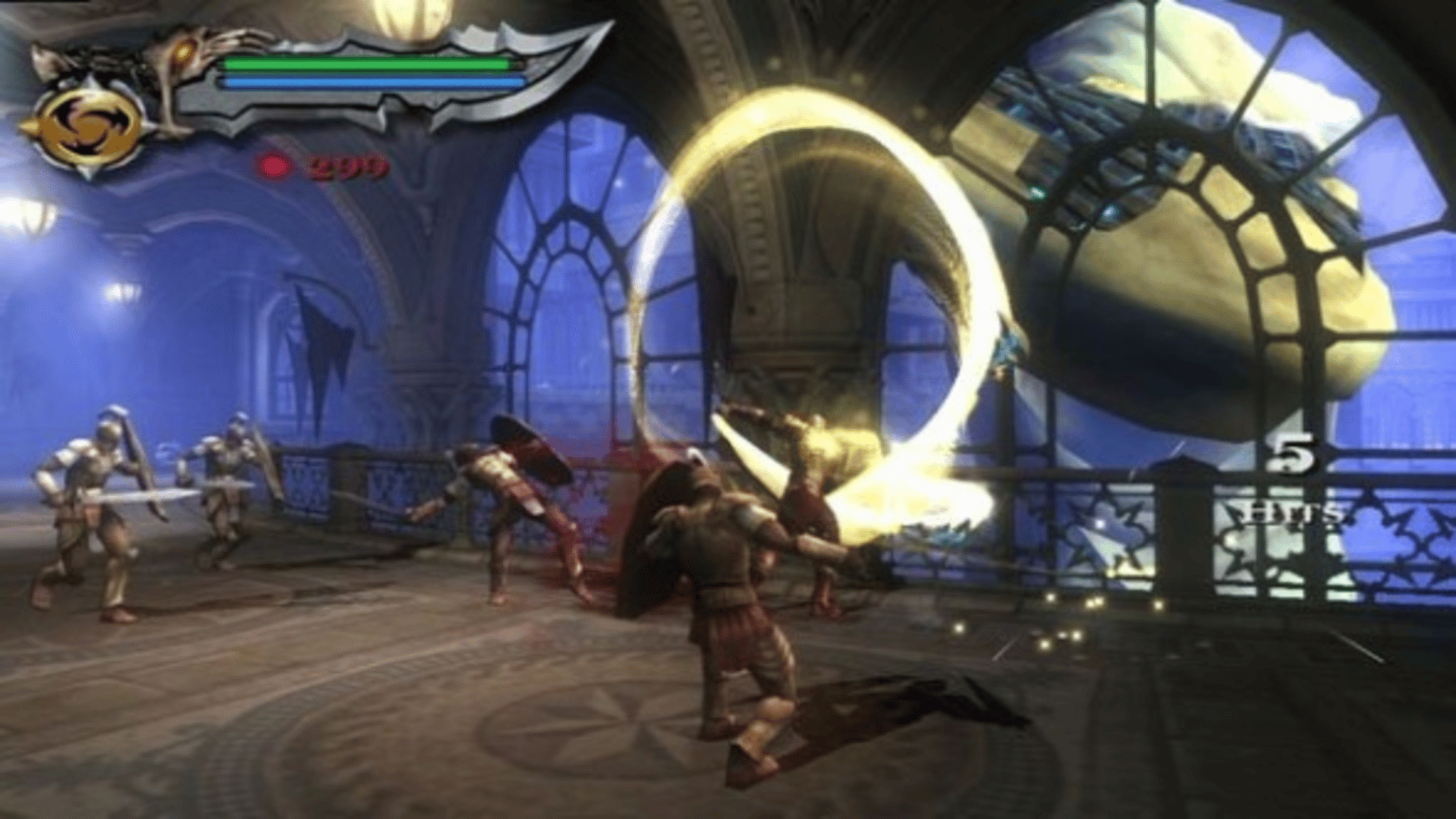
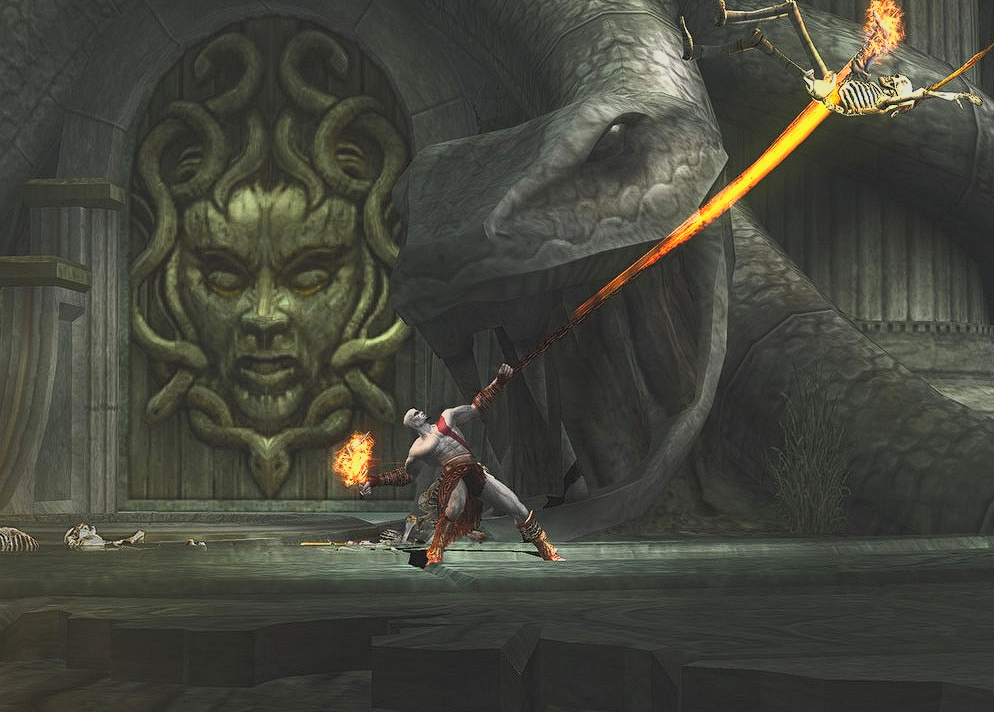
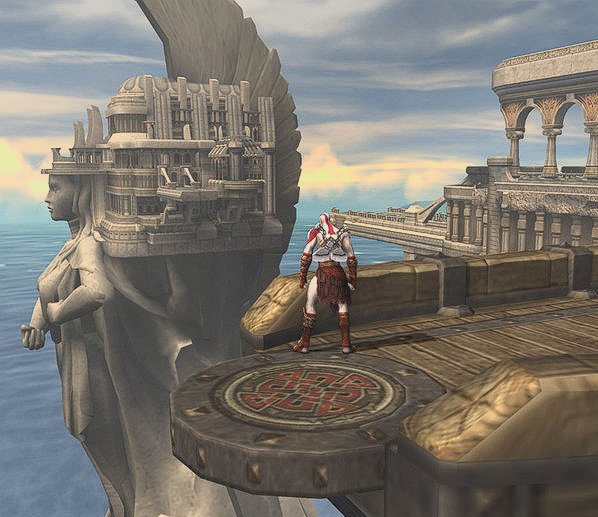
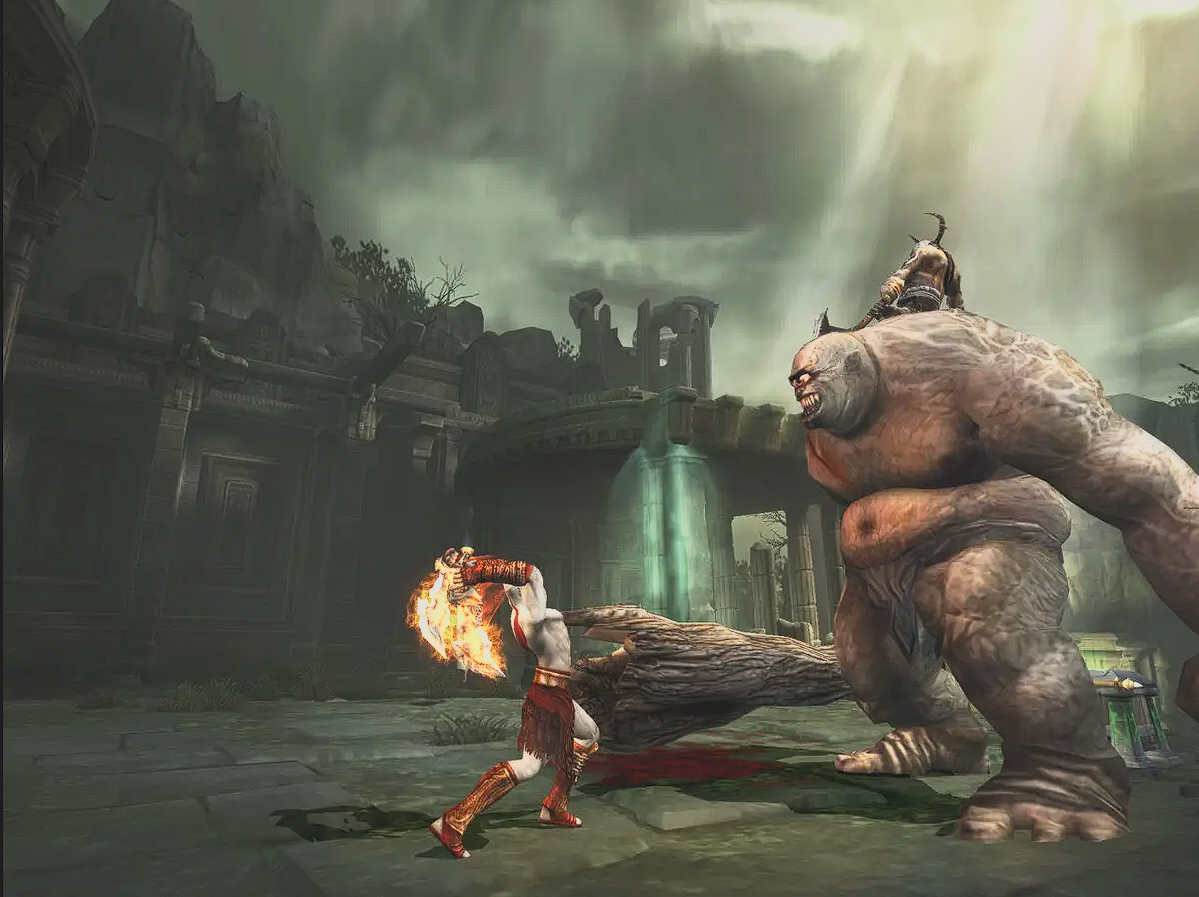
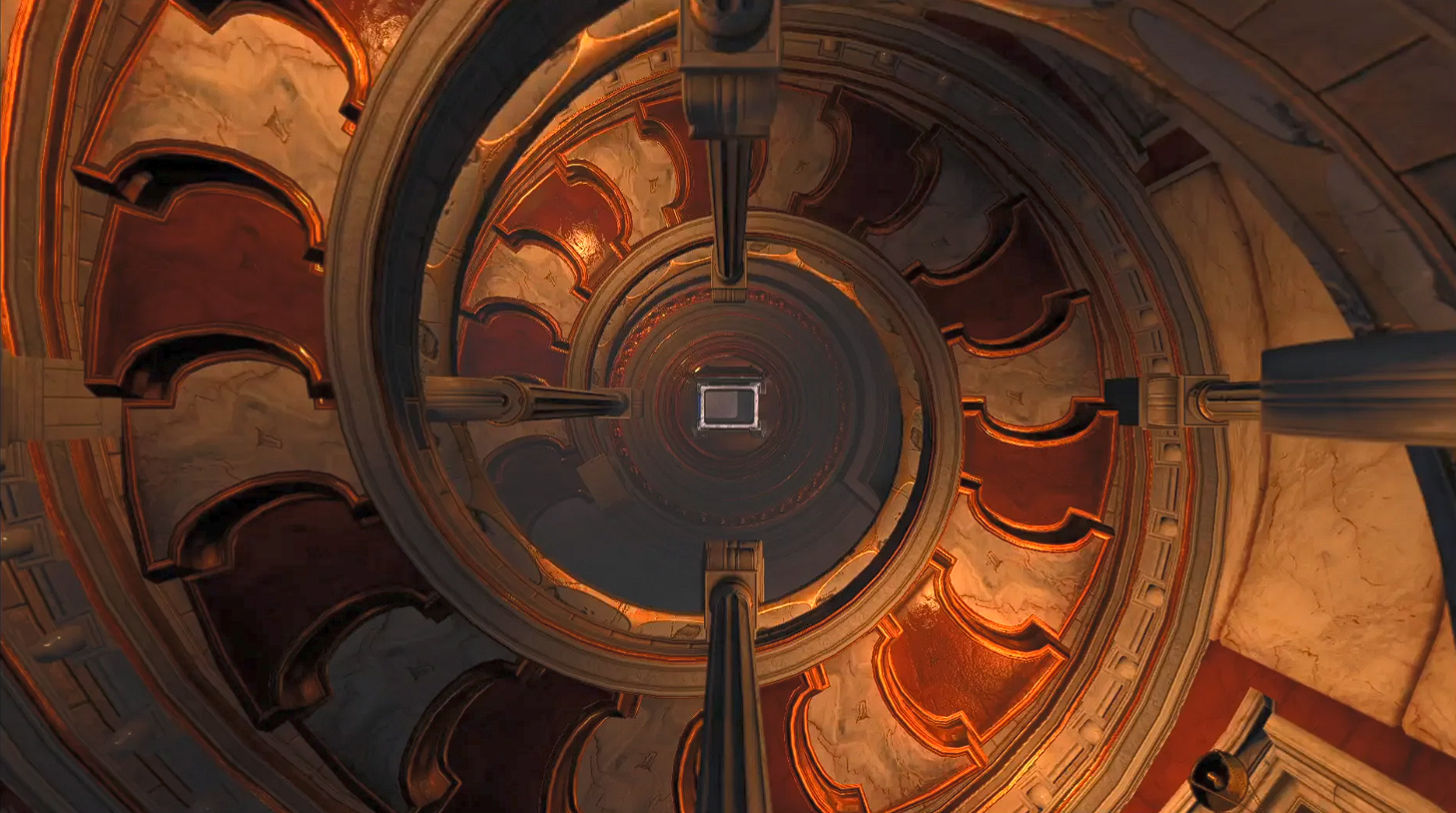
So, just pick up the new tools and get to work, right? Not so fast. Everything was new, the editor, the teammates, the process, the game direction. Early days, I leaned heavily on the designers of the group to help me grasp the tools I needed to succeed. Cameras touched everything in the game, the levels, the boss encounters, even the sound was based on the cameras. What the environment artists laid out was based on the cameras, and performance? You guessed it, cameras had a major influence on how well the game ran too.
We had a decent process, regularly sitting down with the level designers to go over puzzles and traversal areas. Same with combat design for boss fights and combat arenas. I worked closely with animation to seamlessly blend in and out of CS cameras or cinematics. Reviewing and iterating through development with Cory Barlog and boosting the camera system capabilities with Phil Wilkins. By the end of the project, I was really confident in what we were doing with the game and considered the cameras a strength of the title.
Here’s a few accomplishments from my time on God of War 2:
- Provider of player POV for fights, boss encounters, puzzles & in-game cinematic sequences
- Scripted and tuned cinematic sequences, from characters and world animations to collision and player controls
- Trained & Mentored team of camera designers (Andy Ashcraft, Paul Edwards)
- Added design capabilities to the camera system even better.
- Updated the CS camera system from 1 camera to 4 cameras in quadrants to reduce blend warping of the models.
- Vastly improved the camera targeting system for in world targets, previously only used for a single boss fight, we used the targets to split the screen more effectively between Kratos and whatever he was interacting with
One lesson I wish I’d learned sooner: the importance of allowing dead zones in on-screen feedback from control inputs. We wanted twitchy response, but the camera needed to lag a little bit and let Kratos move. I underestimated how much overly responsive cameras, reacting to even the slightest nudge, could compromise the gameplay experience.
God of War 3 – Lead Camera Designer (2007 – 2010)
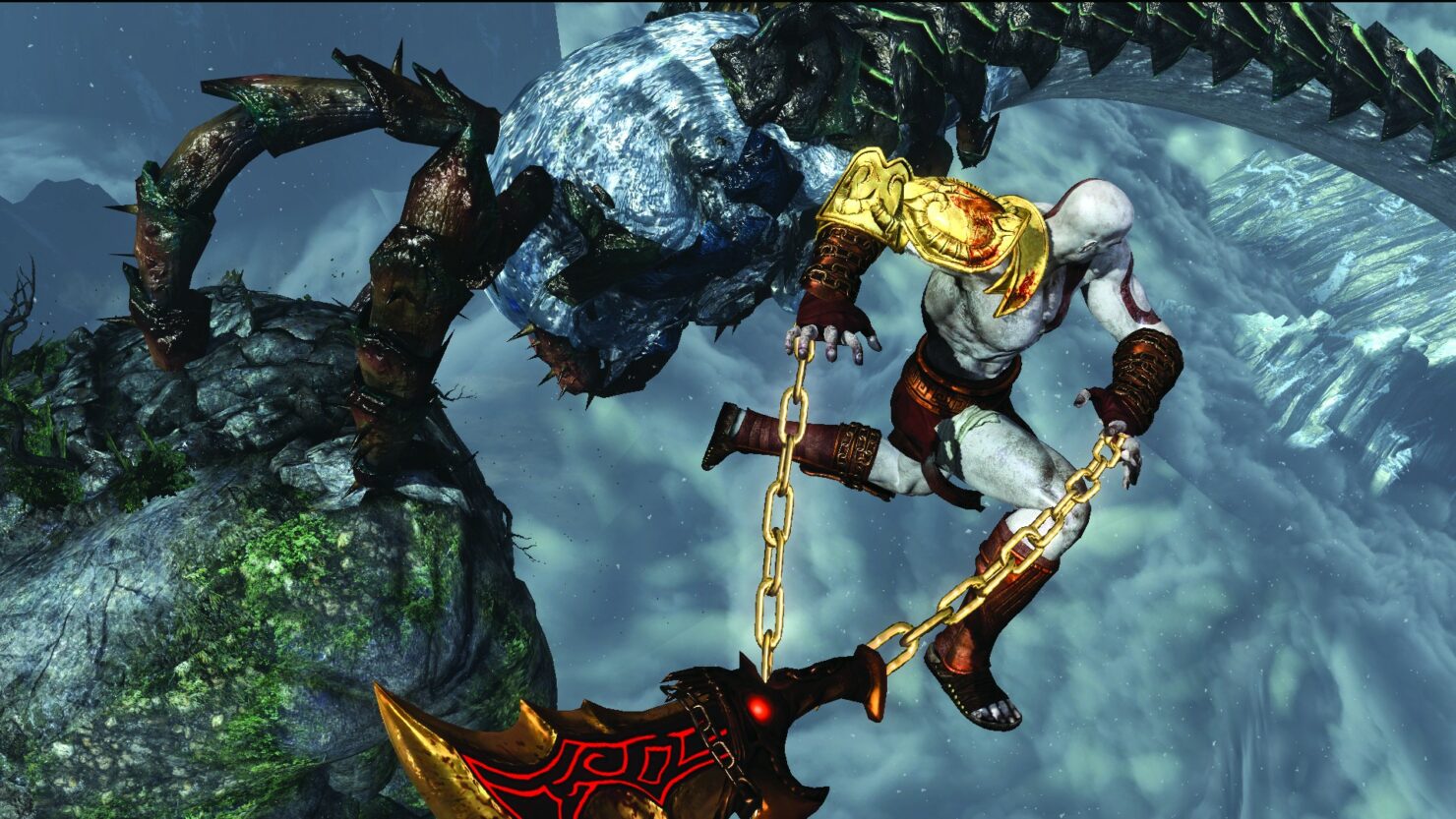
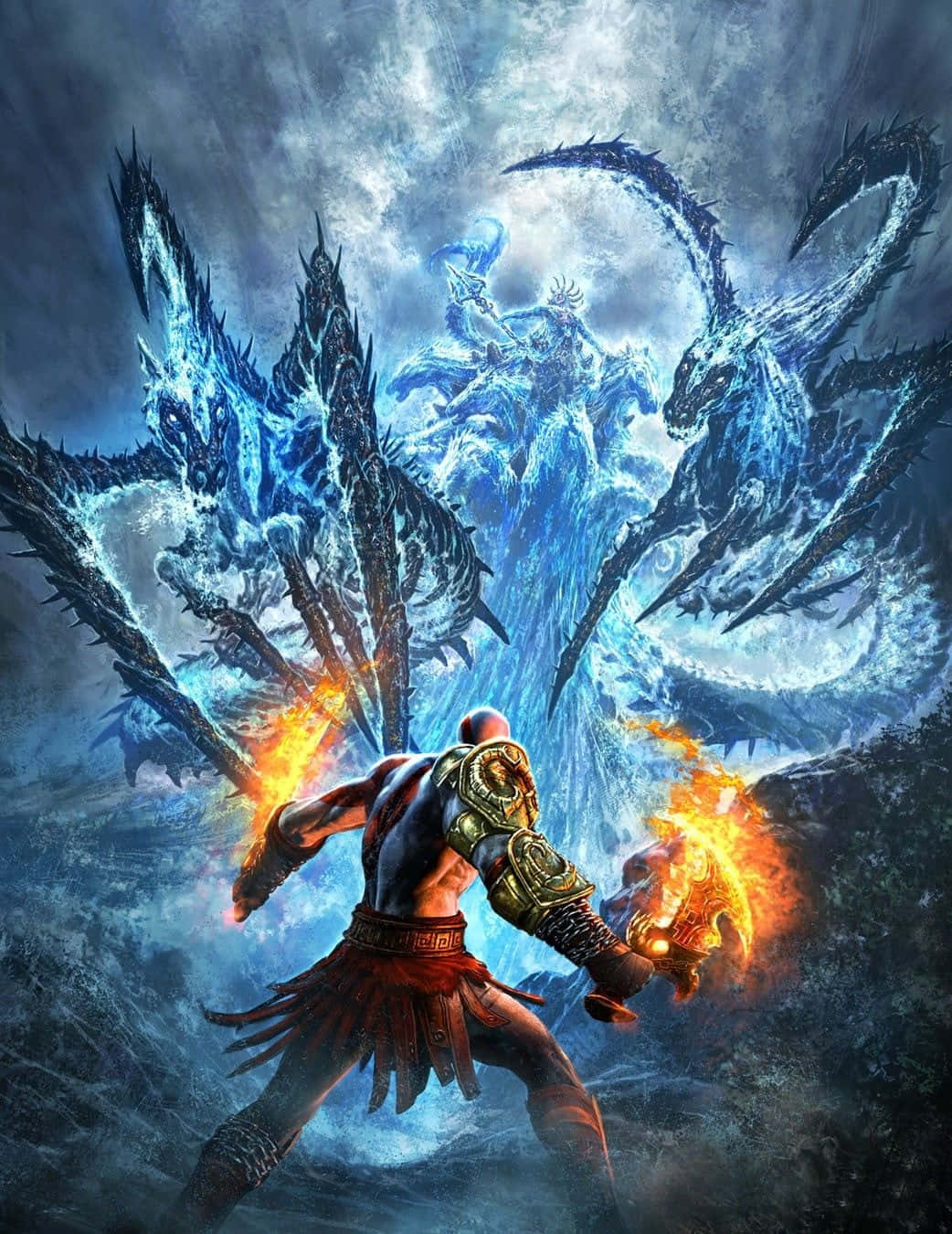
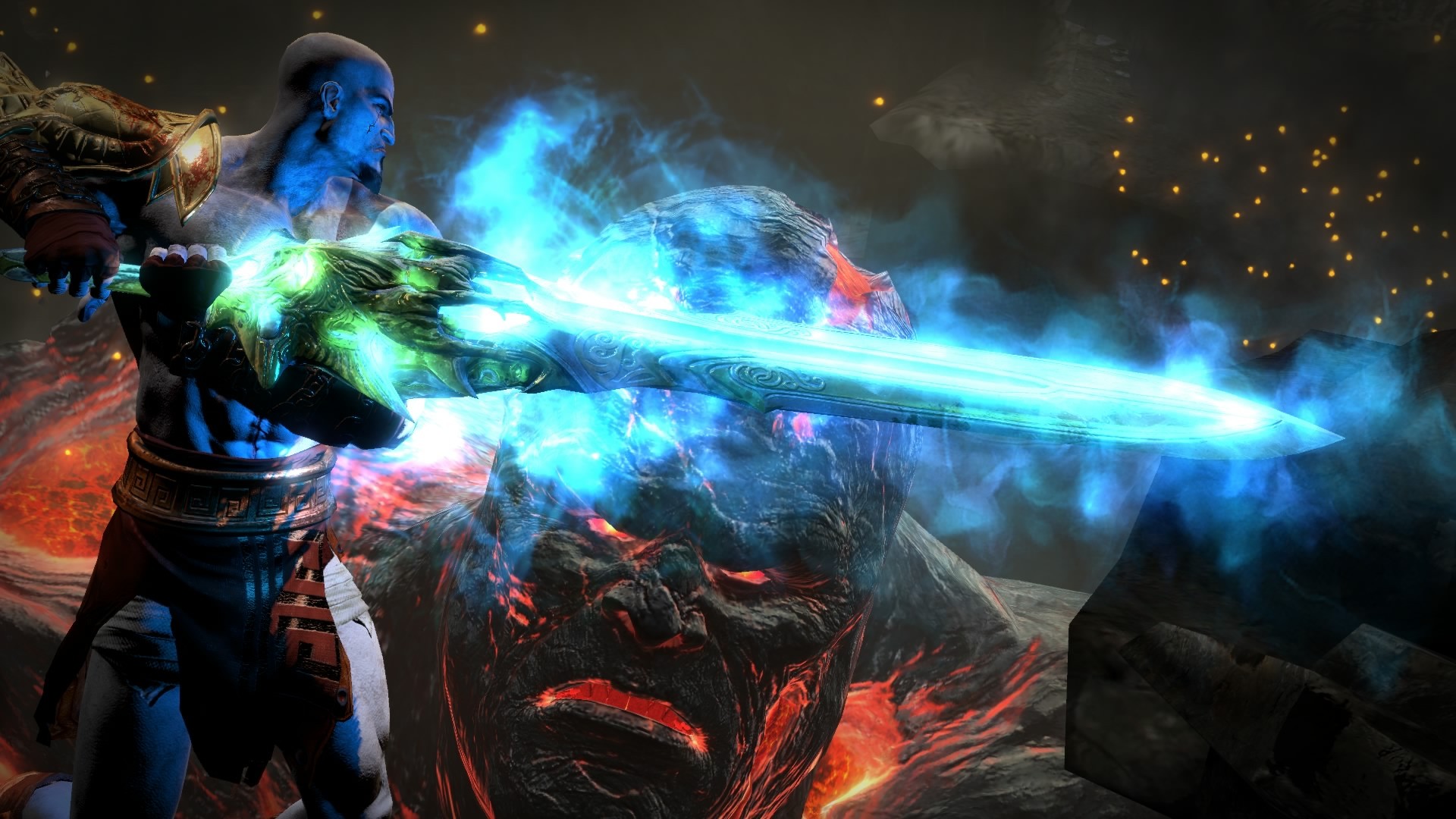
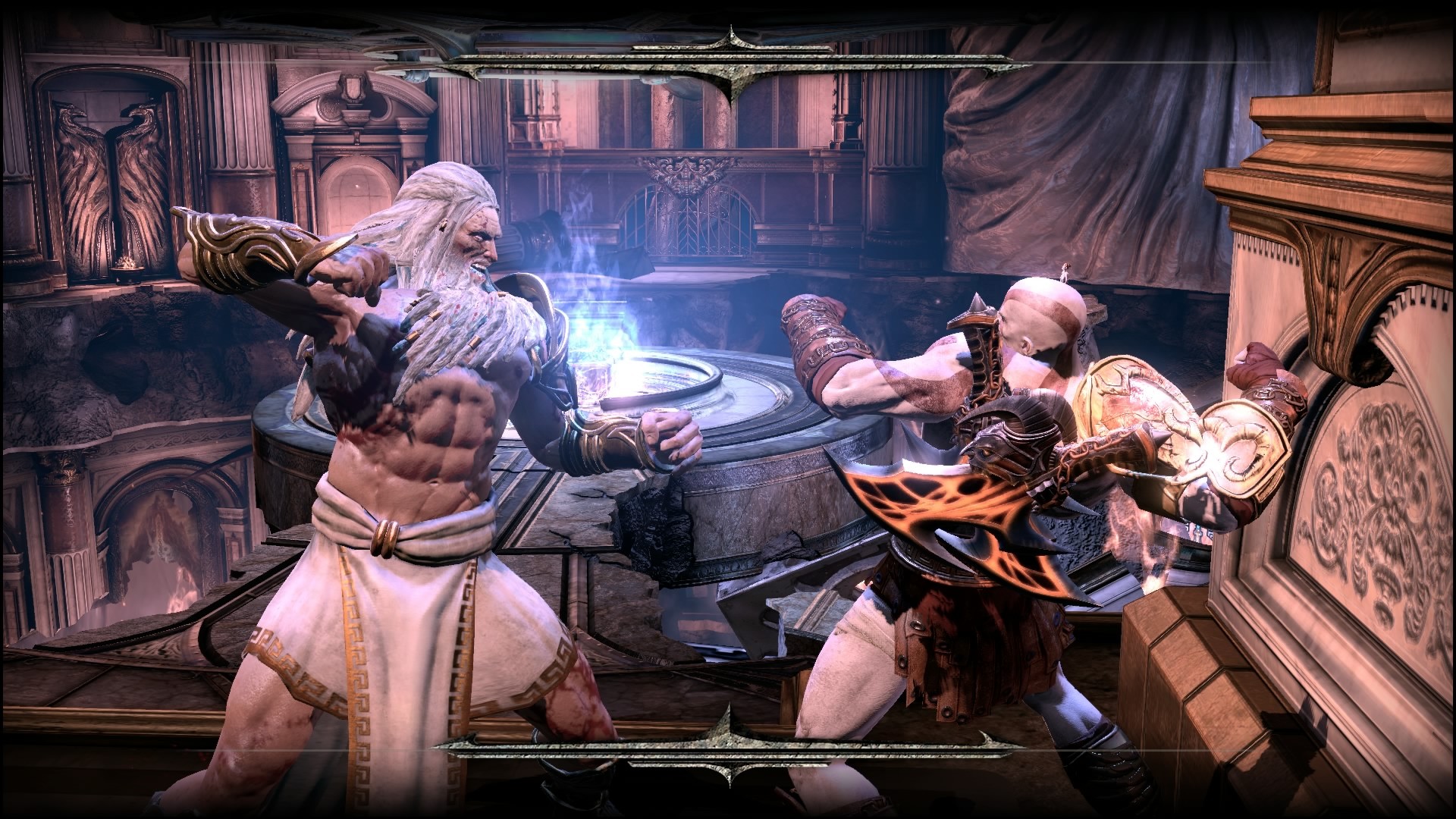
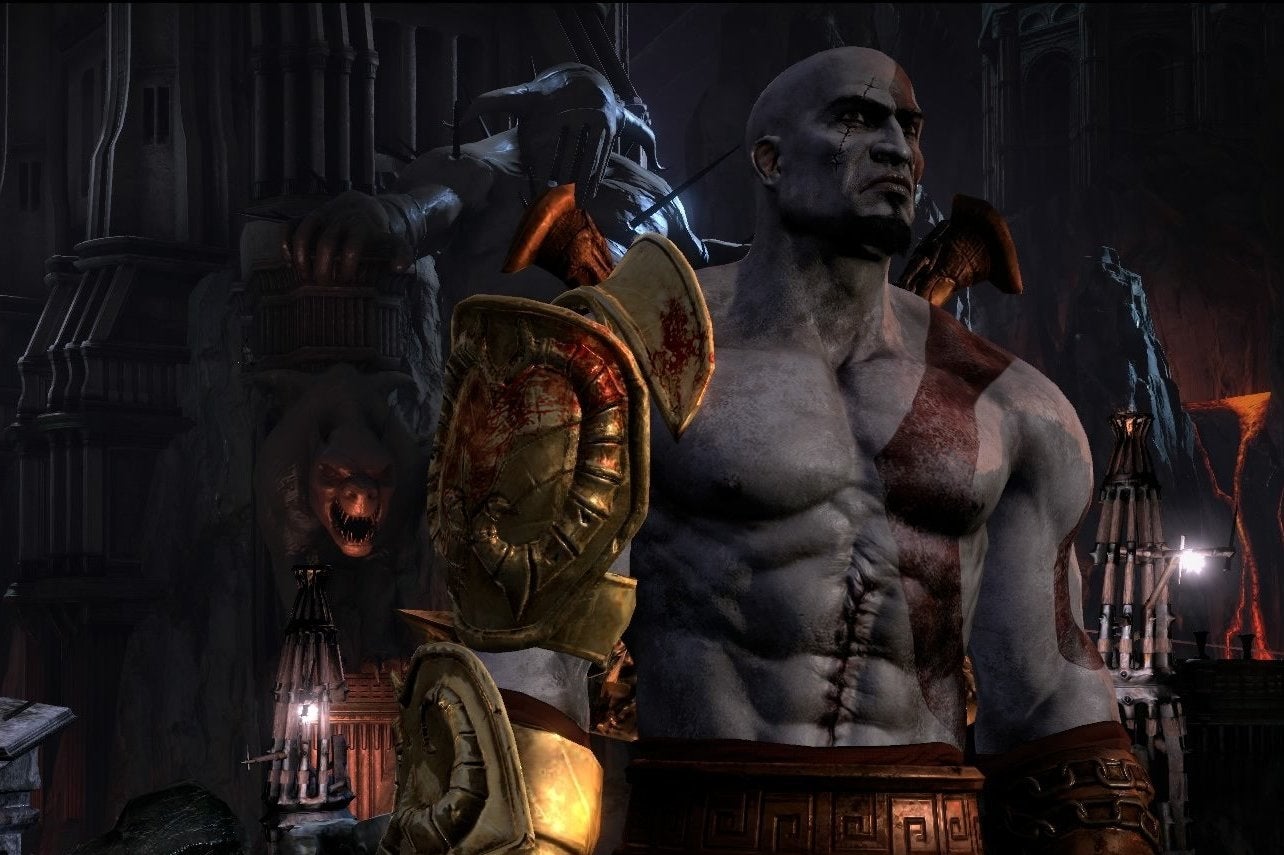
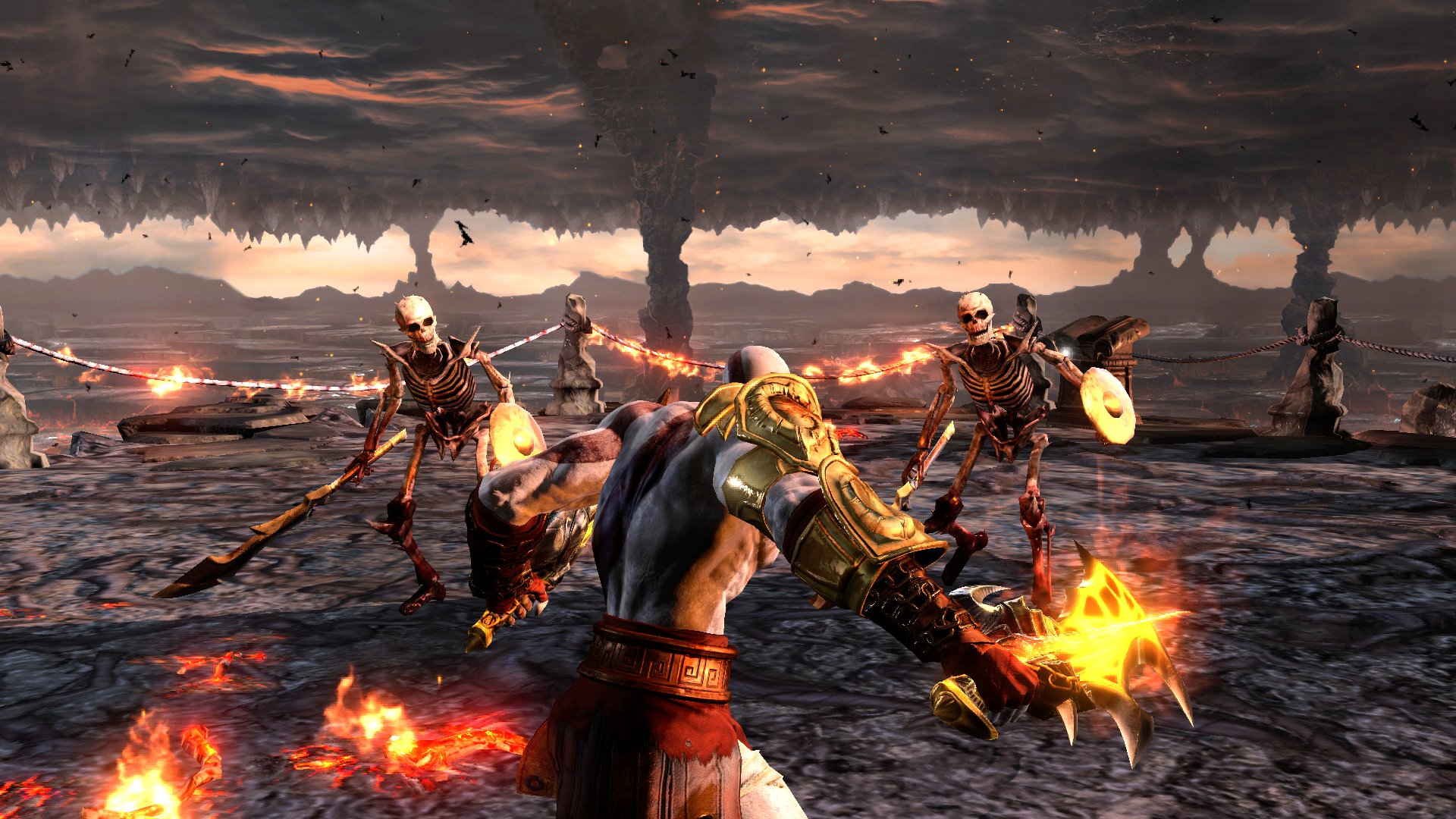
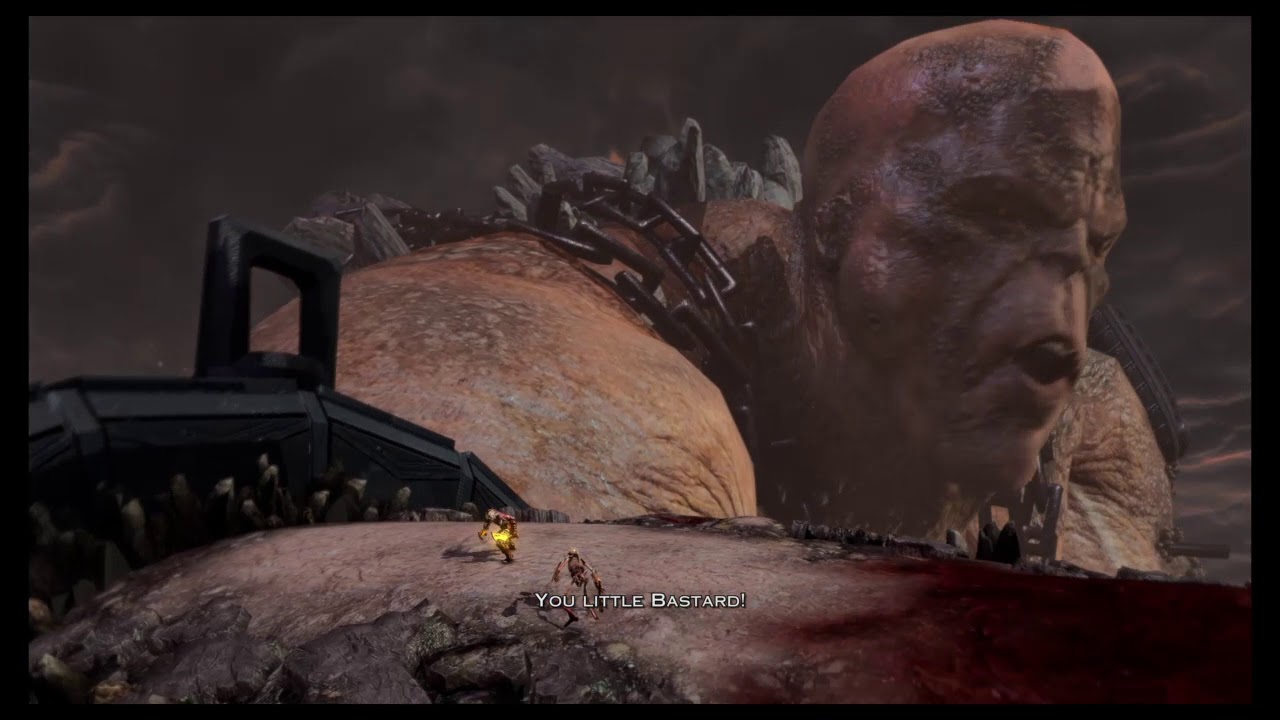
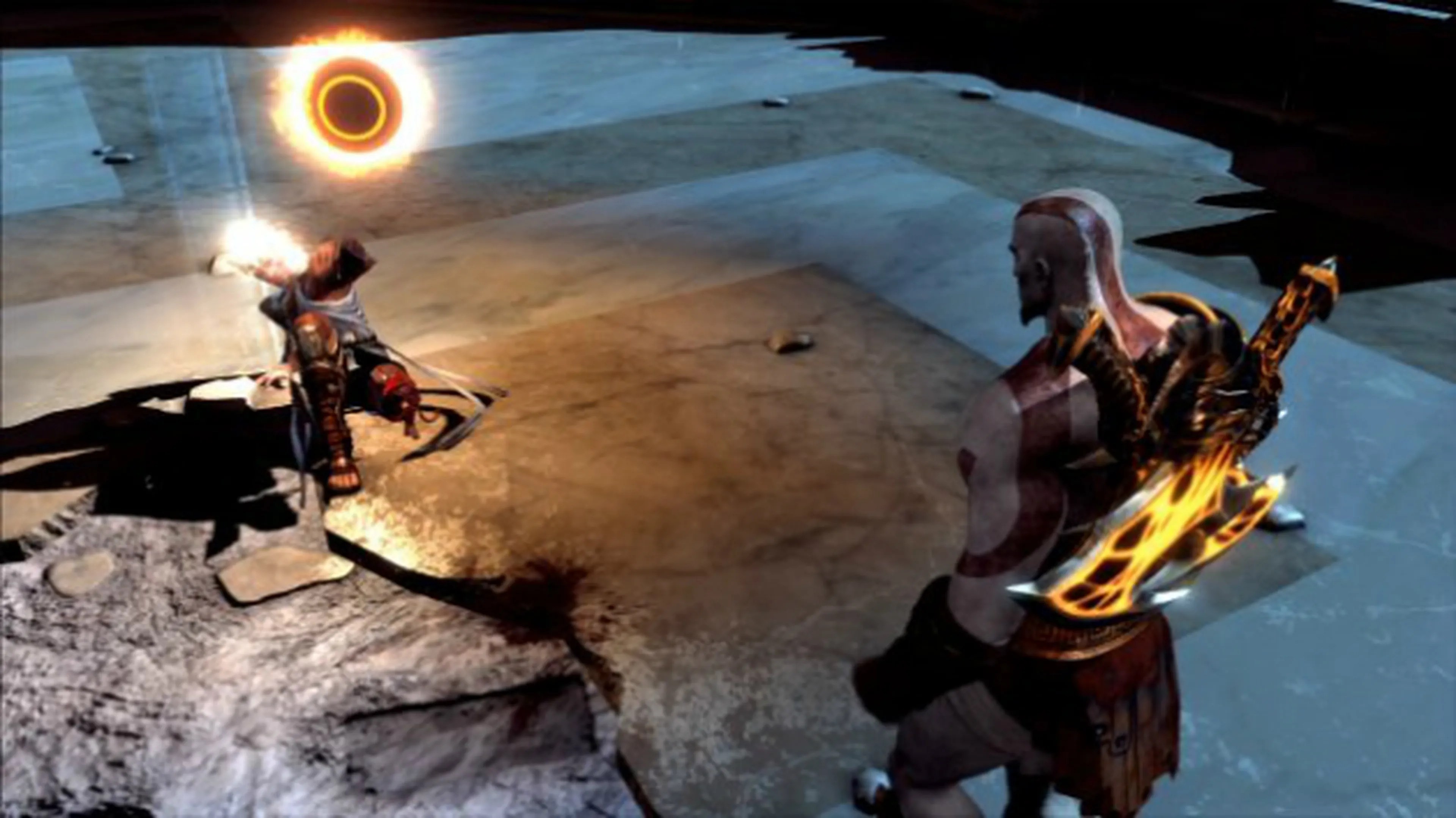
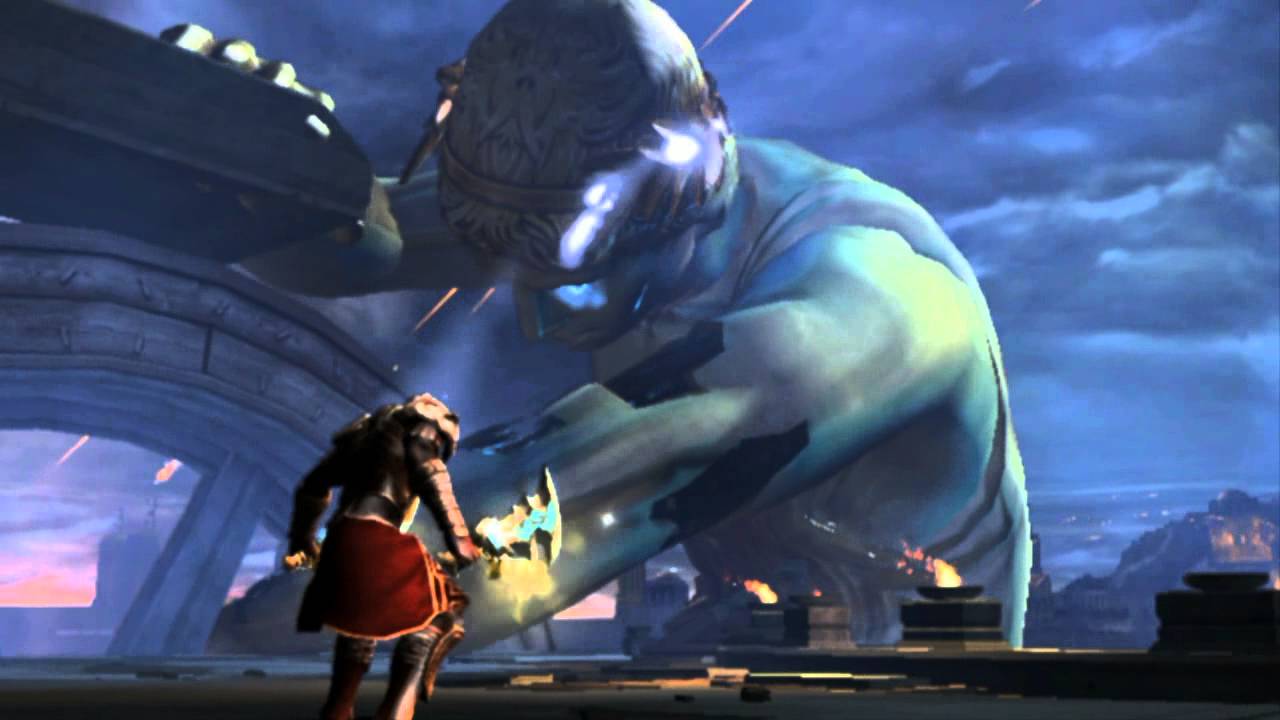
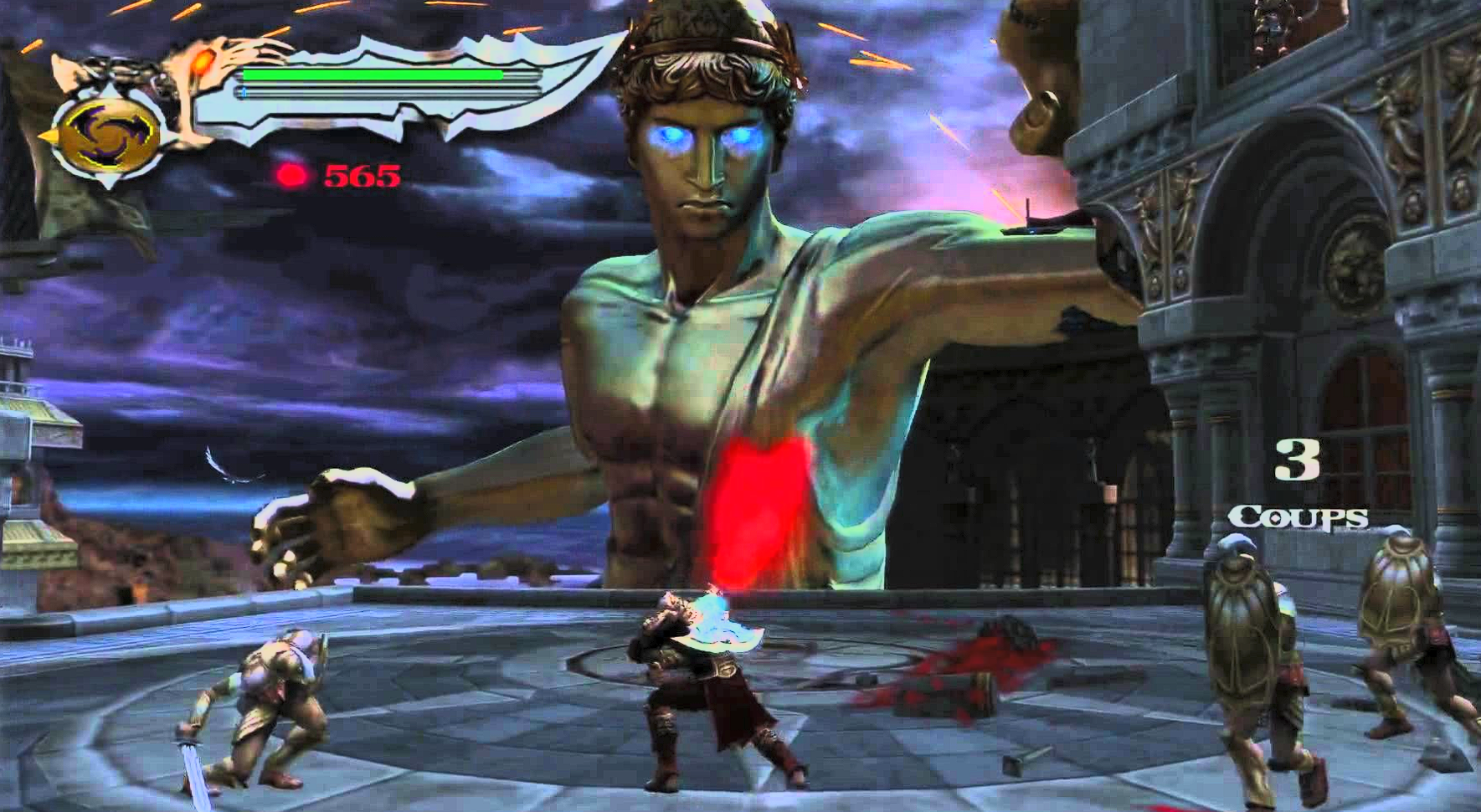
Knowledge in hand from completing GoW2, I began GoW3 with a renewed sense of purpose. A few camera designers I worked with graduated to bigger and better things, and I needed to train up and mentor a new group of designers. We’d take the idea of a single-shot, seamless camera to the next level this game. We’d parent cameras and their zones to the bones of a titan and blend cameras from one pose to the next without a single cut. We’d learn to use zones and Kratos position to drive an animated camera in the world, not just along a dolly on a rail, and this proved to be another powerful weapon in our cinematic toolbelt. We’d achieve intimacy fighting up close with Zeus and Hades and scale and awe with Posiedon, Gaia, and Cronos.
Building on lessons from past experience, I pushed the boundaries of camera design to deliver an optimal player perspective. This approach not only enhanced gameplay clarity but also showcased the stunning environments and animation that define the studio’s identity. God of War III was a landmark project for me. Here are a few key contributions I’m proud of:
- Trained & Mentored a team of camera designers (Mathieu Fallows, Josh Harrison, Steven Peterson)
- Provider of player POV for fights, boss encounters, puzzles, in-game cinematic sequences and also for Titans, which presented a massive challenge for the studio
- Designer and collaborator on Titans from pre-production to completion (scripting, animation, cameras, game flow)
- Working early on with Nathan Gary and Fabrice Odero on the prototype
- Later working with a couple different strike teams to realize both Gaia and Cronos
- Scripted and tuned cinematic sequences, from characters and world animations to collision and player controls
- Further improvements to the already, best in class camera system
- Targeting system
- Dead zones (reduced camera jerkiness)
- Blended zones
- Animation driven cameras
- Camera effects (shakes & sways, depth of field)
Unannounced Title “Dominion” – Lead Designer (2008 – 2009)
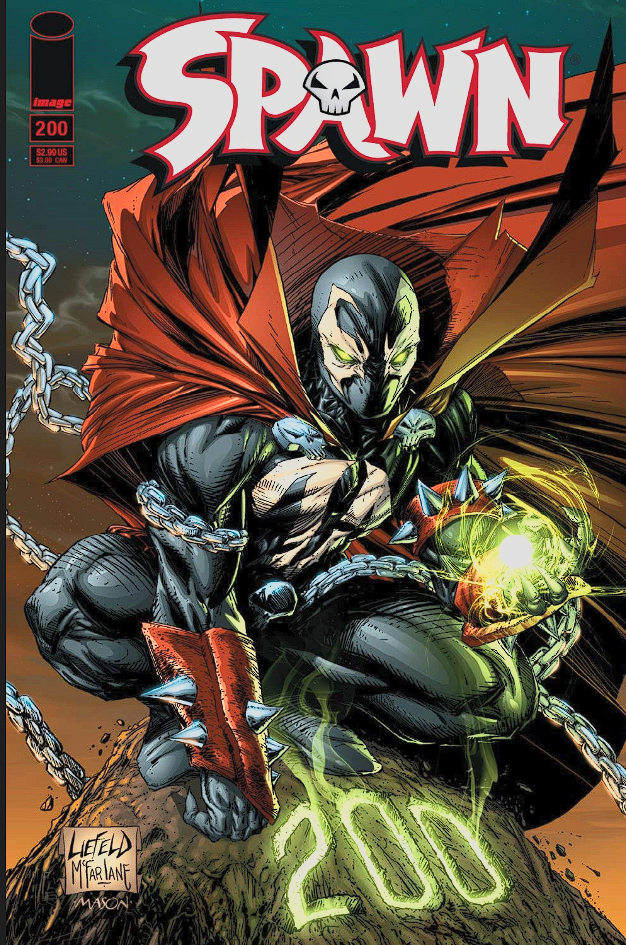
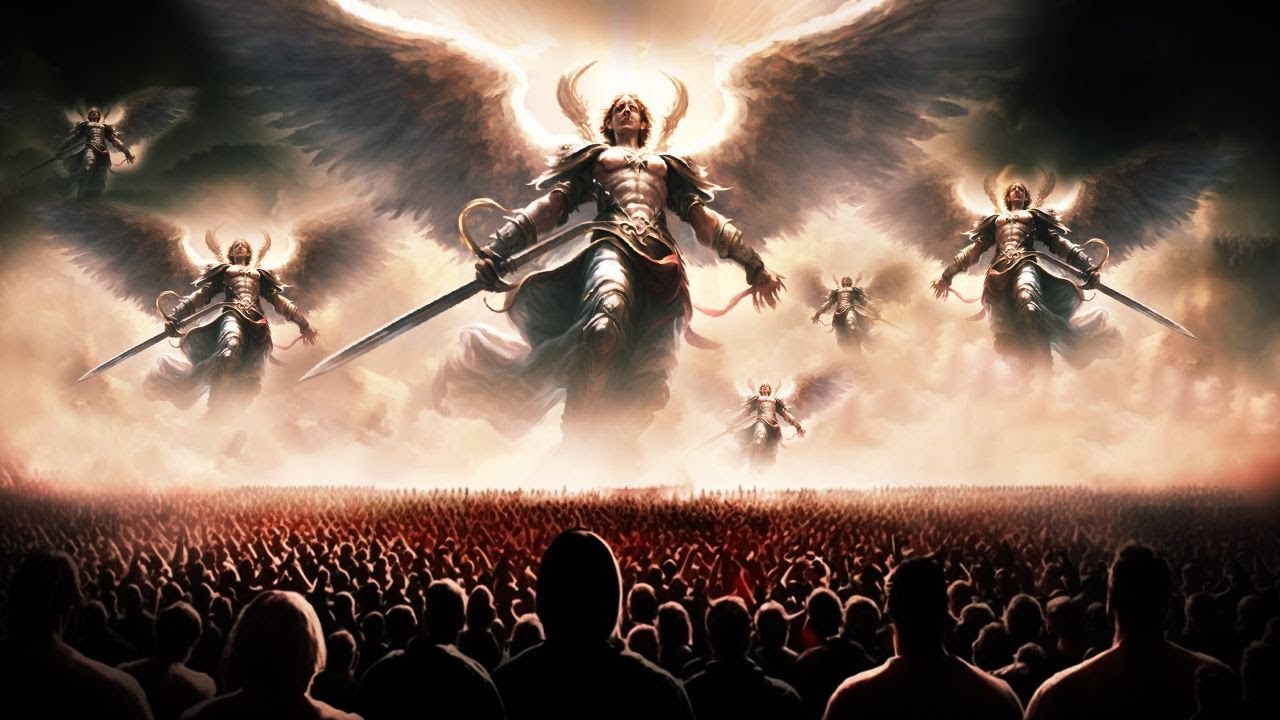
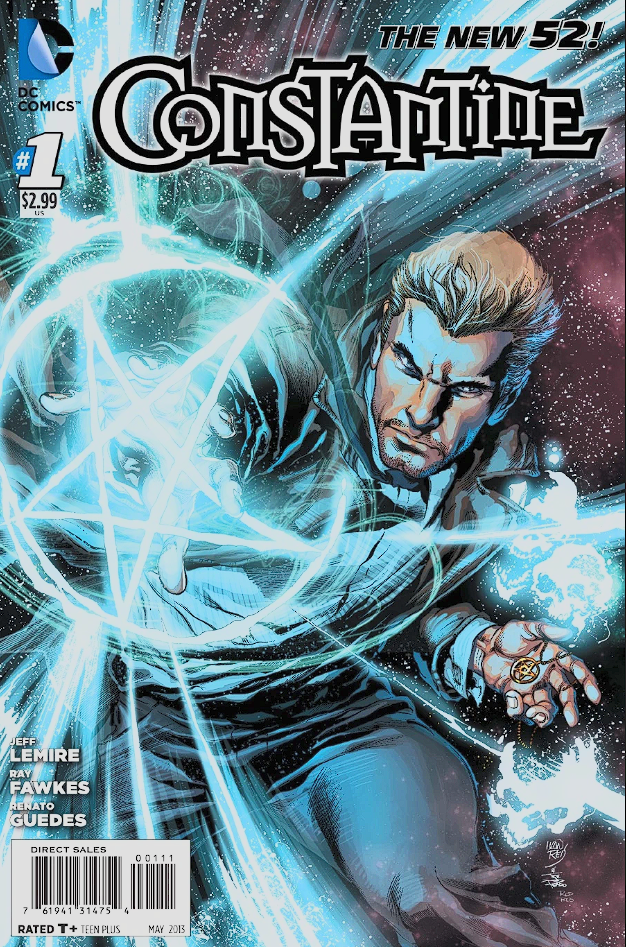
Somewhere in the middle of GoW3, there was a push to start another IP up at the studio. I threw my hat into the ring, and John Hight gave me the green light. Along with Harvard Bonin, we produced a pitch deck and began concepting the new idea.
Picture this: it’s a gritty blend of Spawn and Constantine, angels and demons locked in a cosmic throwdown for control of Earth. The twist? These showdowns have unfolded across history, in iconic places scarred by conflict. Mortals witnessed the chaos but never understood the true stakes, because the spiritual war raged just beyond their perception. Anyways, I was pumped for this title, really wanted to get it going, but eventually, we needed to hit pause and get GoW3 out the door. I’ll never forget it.
- Created and presented pitch for a new, original IP, successfully green-lighting project
- Directed and wrote scripts for rip-o-matic and infotainment cinematics
- Set the standards for pre-production, producing the GDD, initial game script outline, game world, core mechanics & hero design
God of War: Ascension – Lead Designer (2010 – 2013)
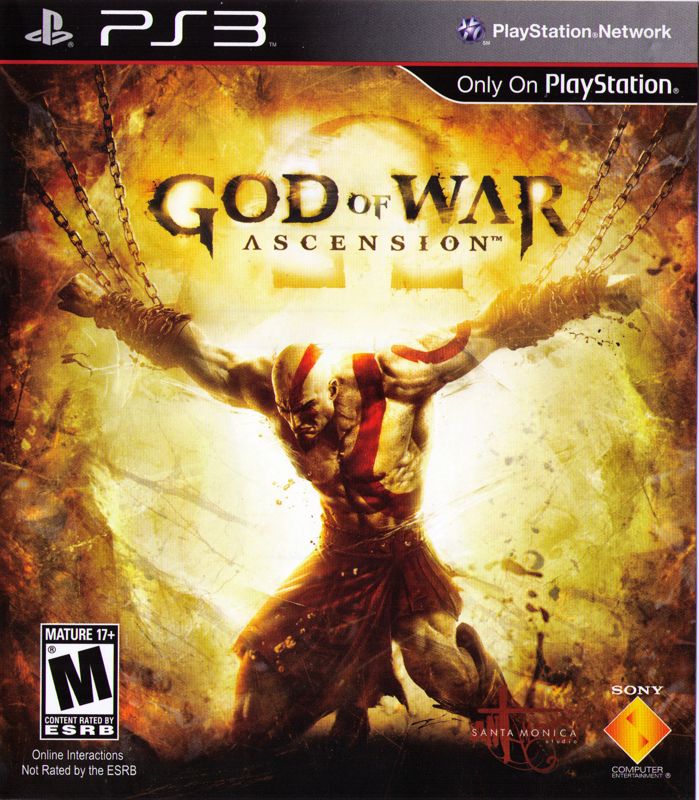
Post GoW3, things were going very well at the studio, and the creative leads were split up to handle multiple projects. I had provided the template for getting an internal concept greenlit, and this proved valuable for the studio that wanted more than a single game being developed at a time. This meant that some of us needed to rise to the challenge for Ascension (bad pun intended). Todd Papy stepped into the role of Game Director, and I took on the mantle of Design Director. The weight of that responsibility was immense, but I embraced it head-on. Here were some of the things I was responsible for on the project, although its worth noting there aren’t enough bullets to encapsulate what a Design Director does at this studio:
- Provider of consistent day-to-day and long-term direction, goals, mentoring, feedback, and guidance to a large design team with multiple specialties (25+ members)
- Managed the designers to successfully meet internal goals and deadlines, collaborating with team leaders to accomplish project tasks
- Evaluated potential design candidates based on their resumes, questionnaires, tests and interviews
- Created, maintained and pitched designs related to core game-play mechanics, content guidelines, game features and mechanics
- Nurtured the development of a completely new multiplayer game mode and the RPG avatar system, from concept to ship
- Remained hands on where I could, helping to script the single player cameras as well as implementing the multiplayer scoring, feat, and labor systems
For Ascension, we continued to push the Titans, this time building an entire level and its geometry on Hecaton. We achieved the scale and technical prowess to pull this off, however Hecaton lacked the personality of Cronos or Gaia, and I didn’t exactly nail the camera direction – we were pulled out too far, too often, leading to a feeling of disconnection with the experience. And in general, that was our biggest weakness in the single player game, we crafted a God of War game, no doubt, the combat was still as rich and visceral as ever, the platforming and navigation challenged the player with its verticality and timing elements, but the player connection to the story just didn’t resonate like the prior titles did.
The gameplay was still a star. I still believe the camera work to be exceptional, allowing the perspective needed to frame a puzzle, showing off entire arenas for combat or a challenge, and we still had beautiful vista shots of the glorious environments. We added new abilities that gave the player to control time with the Amulet, call in a doppleganger Kratos with the Stone, as well as reveal hidden elements with the Eyes of Truth. The Amulet and Stone really boosted the puzzles and made combat more fun – we barely scratched the surface of what they could do, and the Eyes barely made it in the game. The magic system was polarizing, but I consider it a success because of the paths a player could take with the blades when progressing the fire, ice, souls, and electricity paths. We could have differentiated the elements better and yes, the fire was the best one, but switching them out and using them to overcome combat challenges using their distinct finishers was the goal and I think we achieved that. Could we have tuned it better? Of course. But we had a lot on our plate because we not only added the excellent world weapons that had one off abilities and limited move sets, but we also had an entire multiplayer game to crank out.
Ultimately, each multiplayer map in Ascension ended up costing as much as a boss battle. We’re the maps and their challenges fun and unique – absolutely – I’ll die on that hill! But as a game maker and since this is my portfolie, I think this was our trade off, a single player boss battle cost multiple months and required a dedicated strike team to pull it off, almost exactly the cost of of a multiplayer map and its scenario. Because the MP maps didn’t end up in the SP experience as a boss battle, we were criticized for it and I think rightly so. The fans are our players, and our players are always right – they had come to expect a riviting story, with captivating characters and over the top boss battles from our studio and we didn’t acheive the balance needed to call the game a total success.
Looking back on Ascension, we nailed a lot and stumbled a bit: but that’s the healthy part of the team pushing its boundaries. I still believe we were ahead of our time in many ways. Our biggest misstep? We reached too far, too fast. It was a classic case of flying too close to the sun.
 Mark Simon