Xbox Game Studios Publishing – December 2015 to July 2025 (9 years, 8 months)
In 2015, HoloLens made its public debut to a mixed reception, but it was exciting to see two of the experiences I contributed to included with the device. After taking a well-earned break, I felt a strong pull back toward game development and joined the Xbox Publishing team. The group was led by industry veterans Shannon Loftis and Ken Lobb – both bringing deep expertise in games and publishing that made for an inspiring environment to dive back in.
ReCore – Design Director (2015 – 2017)
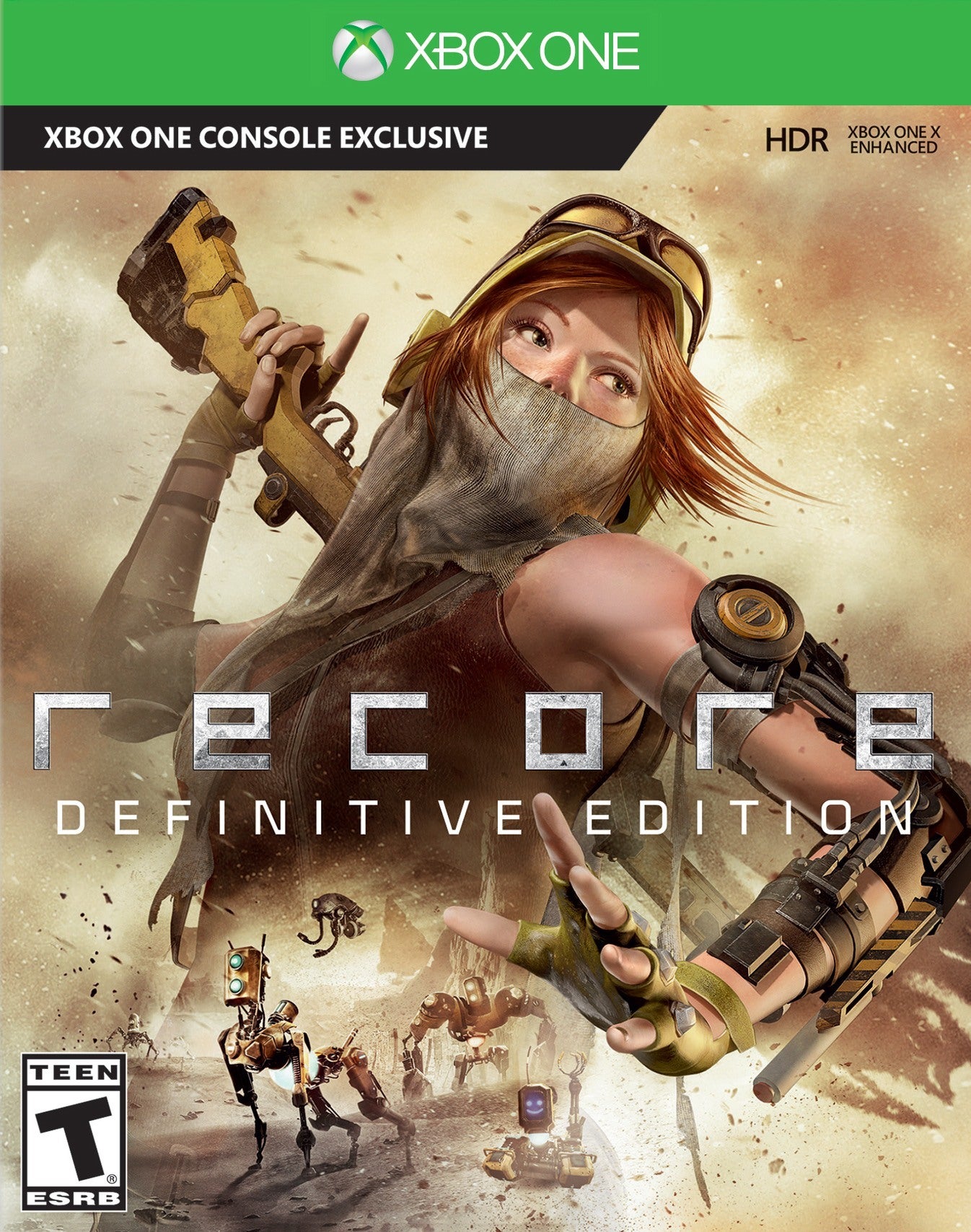
As the project neared a critical milestone ahead of E3, I joined the ReCore team to help get development back on track. I quickly onboarded with Unity and UScript to begin implementing key gameplay systems. My focus was on defining bot behavior, enemy challenges, core controls, and Joule’s abilities – all integral to shaping the player experience.
Partnering closely with Armature’s Creative Director, Mark Pacini, I supported efforts to solidify the core gameplay loop and deliver the first vertical slice for the demo. This required deep collaboration across studios, including Asobo and internal publishing designers, with frequent on-site work in Austin and long nights in Redmond’s Studio C.
Following the initial release, I continued support as part of a strike team focused on post-launch improvements. Together, we resolved technical issues, introduced new content, and elevated the overall experience for the Definitive Edition.
Here’s a few learnings from my time on ReCore:
- Collaborated with an external studio’s multiple disciplines to refine the core game play, controls, camera and combat loop
- Responsible for balancing the RPG systems – hero skills, weapon upgrades and the companion core-bot abilities
- Directed an internal design strike-team that successfully brought the title to completion within a challenging timeline
- Scripted and tuned the Enemy & Boss AI, from random open world encounters to tightly controlled arenas
- Refined and polished the Definitive Edition by removing load times, re-scripting navigation issues, fixing the Map UI/UX and a multitude of other improvements
Crackdown – Design Director (2017)
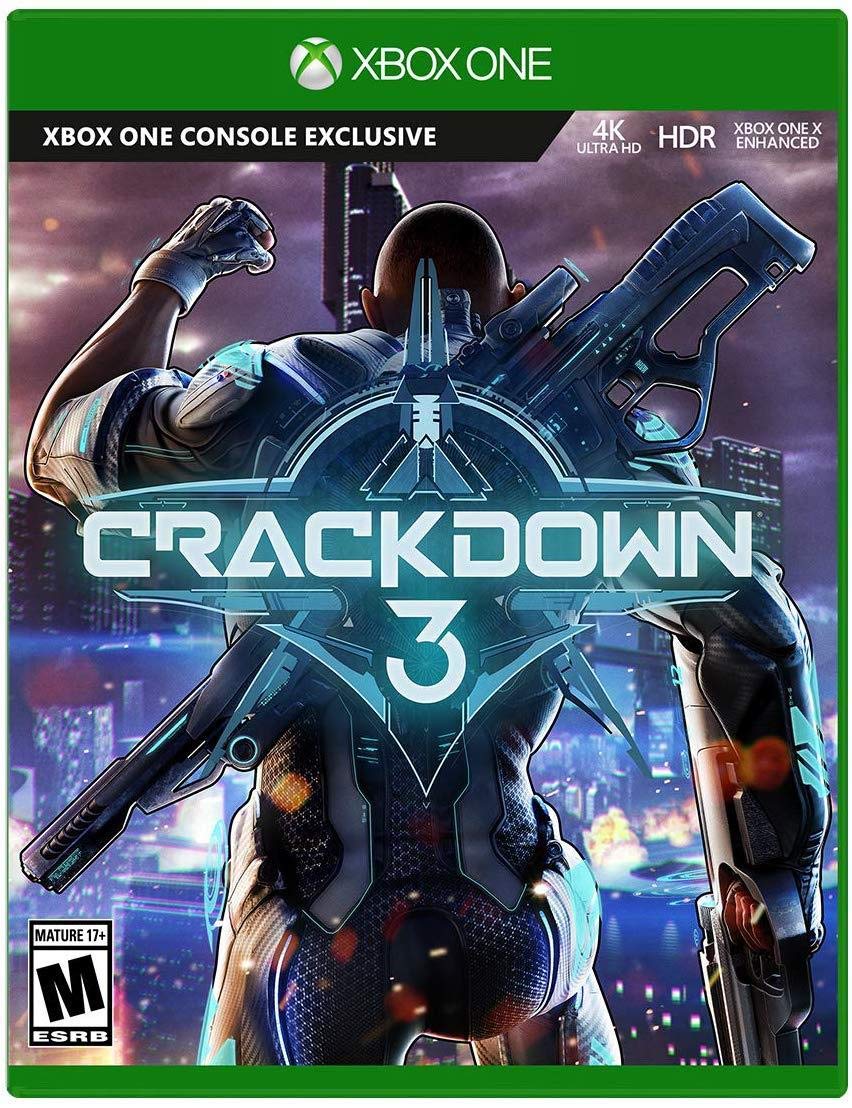
Following ReCore, I joined the Crackdown team during a pivotal production phase. With a tight timeline and an all-hands-on-deck approach led by Publishing Design Director Clint Bundrick, I spent nearly a year onsite in Sheffield, U.K., focused on AI and encounter design.
I helped prototype and build a templated Boss AI system, designed the Berg Boss battle, and developed combat encounters for the Chemical faction. Using Unreal Engine, I populated gameplay spaces, set trigger volumes, and worked extensively in Blueprint to fine-tune pacing, flow, and balance across key gameplay moments.
- Helped to prototype and architect a templated Boss AI for the game
- Designed the Berg Boss battle and populated the Chemical faction encounters
Ara History Untold – Principal Design Director (2017 – 2024)

Ara is a 4x grand strategy title for PC only. Xbox Game Studios Publishing had never done a game in this genre before, so I was excited to help deliver the goods. I joined the team in its early startup phase when Oxide had just seven employees and before the game concept had received greenlight. I partnered with Design Director Michelle Menard to clarify the vision through the game design document and translate it’s best, most achievable parts into a playable demo. To explore core gameplay ideas efficiently, I encouraged low-fidelity prototyping methods, including a physical board game version, well before transitioning into software.
Working alongside my publishing production partner, Matt Turnbull, I helped define the game’s unique concept, pillars, and pitch materials to support internal and external focus testing. When it came time to present the project, I played the demo for the executive leadership team, walked through the game design, and delivered a strategic update that addressed core design decisions and the future direction of the game. Confidence in hand, the demo was impressive, so the project was green lit and we moved onto the prototype phase.
On a procedurally-driven title like Ara, clarity in documentation and well-defined case studies were critical for guiding implementation. As development pivoted during early prototyping, the COVID-19 pandemic sent teams remote, fracturing progress and challenging alignment across disciplines, especially design.
While much of production focused on visual direction, core gameplay prototypes remained in flux. With limited implementation occurring in software, design began to drift from the original vision, prompting several leadership changes with our partners. To reestablish alignment, we refocused the design toward player expectations and studio capabilities.
Post-COVID, I returned onsite to participate in key leadership discussions around the game’s foundation: what needed to change, what could realistically be delivered, and how we would get there. Thanks to outstanding collaboration with partners like Michael Califf, Dorian Newcomb, Simon Strange (via Pipeworks), and Brian Wade, we stabilized the design direction within a year. At that point, the game had found both its visual identity and a strong gameplay core ready to support final production.
Throughout development, I actively shaped the player experience by iterating on gameplay balance and proposing improvements to core systems. I led a front-end redesign using Adobe Creative Suite, modernizing menu aesthetics and streamlining navigation for quicker, more intuitive engagement. This included acting as a design liaison with an external partner focused on multiplayer implementation, ensuring alignment on functionality and user experience.
Although remote collaboration presented challenges, I remained closely involved by working on-site to strengthen communication and teamwork. Partnering with User Research, I translated player feedback into actionable design priorities, helping the team respond to key insights.
In the final stretch, we shifted into a production sprint to meet our deadline. Everyone took ownership of a critical piece. I led the creation of the Encarta, a comprehensive strategy resource and in-game encyclopedia, collaborating with a small strike team to complete it just ahead of launch in September 2024. Post-release updates addressed technical feedback and contributed to an overall positive reception on Steam.
Seven years later, we had achieved our original goal. Here are my contributions:
- Design collaborator, mentor, contributor from inception, concept, prototype, production, to finalization and ship
- Directed and implemented designs for key game systems, including core-loop, UI, and UX
- Revamped the front-end menus with Adobe Creative Suite, delivering a modernized layout, enhanced usability, and improved accessibility to elevate the overall user experience.
- Led the conception and implementation of the Encarta—an in-game encyclopedic reference covering all assets, stats, and strategic applications. Authored the full suite of strategy text to support player understanding and deepen engagement with game systems.
- Worked with our internal partners to do internal and external presentations, from gate reviews to streaming live gameplay.
Contraband – Principal Design Director (2024 – 2025)
Though my time on this project was brief, I focused on building a trusted and collaborative relationship with the partner studio early in development. I immersed myself in the gameplay experience and worked closely with QA to provide thoughtful design feedback while gaining a deep understanding of the title’s goals and creative direction.
This insight allowed me to confidently represent the game during internal reviews, advocating for its vision as if I were a core member of the development team. While I can’t share details publicly, I believe in the immense talent behind this title and look forward to its release.
- Led design efforts as publishing-side champion, ensuring alignment across partners
- Ran weekly playtests and synthesized feedback for internal and external stakeholders
- Delivered milestone design reviews and presented strategic updates at project gates
 Mark Simon